
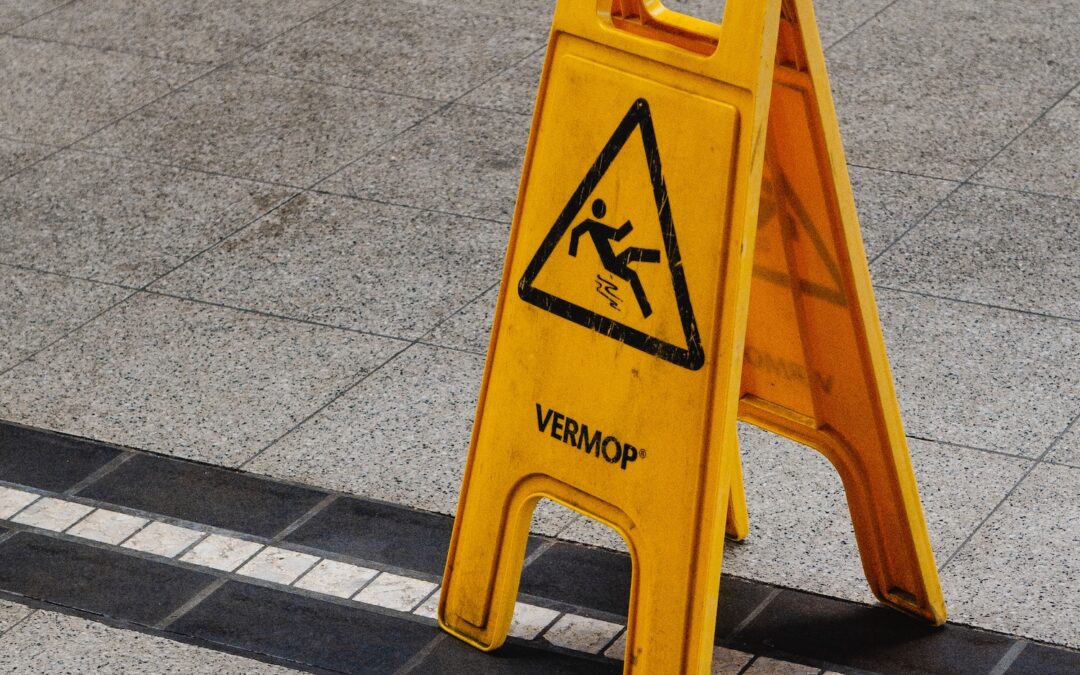
Introduction: Shedding Light on Store Liability for Customer Injuries
Walking into a store to make a purchase is a routine part of our daily lives. We trust that store owners and operators will maintain a safe environment for their customers. However, accidents can happen, and customers may suffer injuries while on the premises. In such cases, the question arises: Is a store liable for a customer injury? Understanding premises liability is essential to navigate this complex issue and protect your rights. In this article, we delve into the concept of store liability, exploring when and how stores can be held responsible for customer injuries.Premises Liability: Holding Stores Accountable for Dangerous Conditions
Premises liability is the legal principle that holds property owners, including store owners, responsible for injuries that occur on their property due to dangerous conditions. To establish store liability for customer injuries, certain key factors must be considered. 1. Dangerous Conditions: Store owners must address and rectify any hazardous or unsafe conditions within their premises promptly. These conditions can include wet floors, uneven surfaces, poorly maintained walkways, or inadequate lighting. Failure to address such hazards increases the risk of slip and fall accidents, leading to customer injuries. 2. Breach of Duty: To hold a store liable for a customer injury, it must be proven that the store owner breached their duty of care by either creating the dangerous condition or failing to take appropriate steps to remedy it. Evidence such as surveillance footage, witness testimonies, medical reports, and incident reports can help establish this breach. 3. Proving Negligence: In a premises liability claim, establishing negligence is crucial. It involves demonstrating that the store owner knew or should have known about the dangerous condition and failed to address it in a timely manner. This requires a thorough investigation and collection of evidence to substantiate the negligence claim.The Importance of Prompt Action: Gathering Evidence and Seeking Medical Attention
In the aftermath of a customer injury in a store, taking prompt action is crucial. As soon as the incident occurs, prioritize your well-being and safety. If you’re able to, document the scene of the accident by taking photographs or videos. These visual records can serve as valuable evidence later on. Next, notify store management or employees about the incident and ensure that an incident report is filed. This report should accurately document the details of the accident, including the time, date, location, and a description of what happened. Request a copy of the report for your records. Seeking medical attention is another critical step, regardless of the severity of your injuries. Some injuries may not manifest immediately or may worsen over time, so it’s important to have a medical professional assess your condition. Medical reports and documentation from healthcare providers will serve as essential evidence in your personal injury case.Understanding the Premises Liability Claim Process
When pursuing a premises liability claim against a store for a customer injury, the legal process typically involves the following steps: 1. Consultation with a Personal Injury Lawyer: Reach out to a reputable personal injury attorney specializing in premises liability cases. During the initial consultation, provide them with all the relevant details of the incident, including any evidence and documentation you have gathered. The attorney will evaluate the strength of your case and advise you on the best course of action. 2. Investigation and Evidence Collection: Your attorney will conduct a thorough investigation, gathering additional evidence to support your claim. This may involve reviewing surveillance footage, interviewing witnesses, examining store policies and maintenance records, and consulting with experts if necessary. 3. Determining Liability: To hold the store liable for your injuries, your attorney must establish that the store owner or operator failed in their duty of care. This involves demonstrating the dangerous condition that caused the injury, proving the breach of duty, and establishing the causal link between the store’s negligence and your harm. 4. Negotiation and Settlement: Your attorney will engage in negotiations with the store owner’s insurance company to reach a fair settlement. They will advocate for your rights and fight for maximum compensation to cover your medical bills, lost wages, pain and suffering, and other damages. If a fair settlement cannot be reached, your attorney may proceed to file a lawsuit and represent your interests in court. 5. Litigation and Trial: If the case goes to trial, your attorney will present your evidence and arguments before a judge and jury. They will skillfully navigate the legal proceedings, cross-examine witnesses, and present compelling arguments to support your claim. Throughout the trial, your attorney will strive to secure a favorable verdict in your favor.Seeking Compensation: The Role of Personal Injury Lawyers
If you have suffered a customer injury in a store, consulting with a personal injury lawyer is essential to protect your rights and seek fair compensation. Personal injury attorneys specialize in premises liability claims and can guide you through the legal process. They will evaluate your case, gather relevant evidence, negotiate with insurance companies, and, if necessary, pursue litigation on your behalf.Conclusion: Holding Store Owners Accountable for Customer Injuries
When customers suffer injuries on store premises due to dangerous conditions, store owners may be held liable for their negligence. By failing in their duty of care and disregarding customer safety, store owners can cause harm that results in medical bills, lost wages, and pain and suffering for the injured individuals. Understanding premises liability and consulting with experienced personal injury attorneys are vital steps in seeking justice and fair compensation for the injuries sustained. Remember, if you have suffered a customer injury in a store, don’t hesitate to seek legal advice. Contact Arnona Rose today to get started. By asserting your rights, you can hold store owners accountable for their negligence, ensure necessary medical treatment, and obtain the compensation you deserve for your damages, even if they seem minor.Frequently Asked Questions
What is the meaning of injury liability?
What are the 4 things needed to prove negligence?
Who is liable for the damages?
The liability for damages depends on the specific circumstances of the case and the applicable laws. In general, the party who is found to be at fault or legally responsible for the incident that caused the damages will be liable for compensating the injured party. Here are a few examples: 1. Negligence: If someone’s negligent actions or failure to act caused the damages, they may be held liable. For instance, if a driver runs a red light and causes a car accident resulting in injuries and property damage, the negligent driver may be responsible for compensating the injured parties. 2. Product Liability: If a defective product causes harm to a consumer, the manufacturer, distributor, or seller of the product may be held liable for the damages. This is based on the legal principle that those involved in the chain of distribution have a responsibility to provide safe products to consumers. 3. Premises Liability: When an injury occurs on someone else’s property due to the property owner’s negligence, the owner or occupier may be held liable. For example, if a person slips and falls in a store due to a wet floor with no warning signs, the store owner could be responsible for the resulting injuries. 4. Professional Malpractice: Professionals, such as doctors, lawyers, or architects, have a duty to provide services that meet a certain standard of care. If their negligence or incompetence causes harm to a client or patient, they may be held liable for the damages resulting from their professional malpractice. Determining liability for damages involves a thorough examination of the facts, evidence, and applicable laws. It often requires legal analysis and may involve negotiations, settlements, or court proceedings. It is advisable to consult with a qualified attorney who specializes in the relevant area of law to understand the specific liability and legal options in a particular case. Disclaimer: This article is for informational purposes only and should not be construed as legal advice. For specific legal guidance related to your situation, consult with a qualified attorney.About the Author
Toni R. Arnona, Esq. is a partner at Arnona Rose, LLC, a personal injury firm in the Greater New Orleans area. A New Orleans native, she earned a Bachelor of Arts in French and Linguistics from Newcomb College at Tulane University and her Juris Doctor from Loyola University New Orleans College of Law in 2009. She was admitted to the Louisiana Bar that same year, after interning with Judge Robin M. Giarrusso and later clerking for Judge Lloyd J. Medley, Jr. in the Civil District Court for the Parish of Orleans. Toni joined Arnona Rose in 2014, where she focuses her practice on personal injury and related matters. She is a member of the American Bar Association, the Louisiana Bar Association, the Jefferson Parish Bar Association, and the Federal Bar Association.